Heart-Healthy Indian Cooking — Eating for Your Heart Without Losing the Flavour

Practical heart-healthy Indian cooking tips — smarter oils, less salt and sugar, more fibre — so you can protect your heart while keeping food delicious.
What Is Cardiac Rehabilitation — and Why Every Heart Patient Needs It
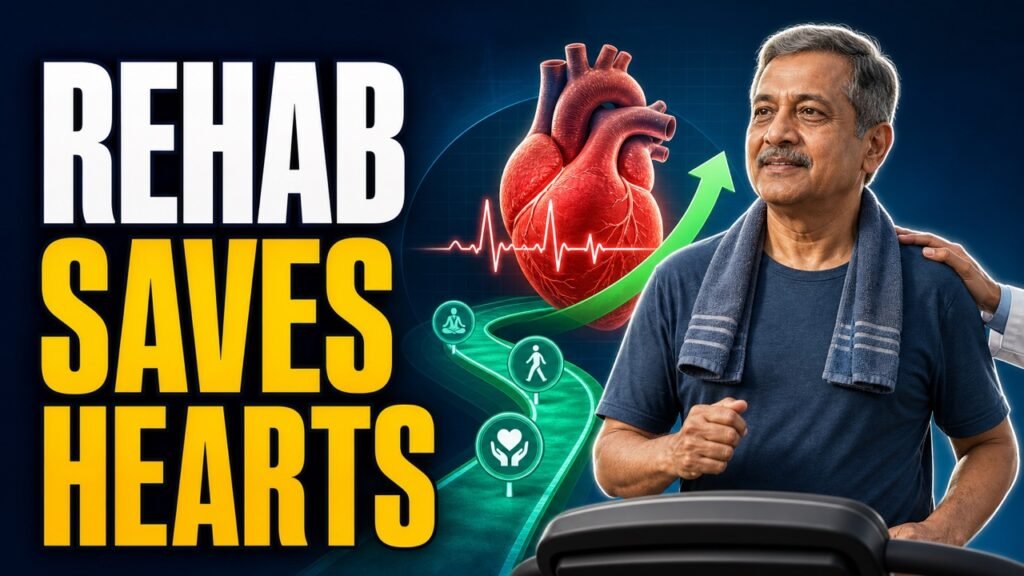
Cardiac rehabilitation can cut readmissions and improve survival. Learn what cardiac rehab involves, who needs it, and why it’s a vital step after a cardiac event.
Living Well with Heart Failure — Managing the Condition and Its Comorbidities
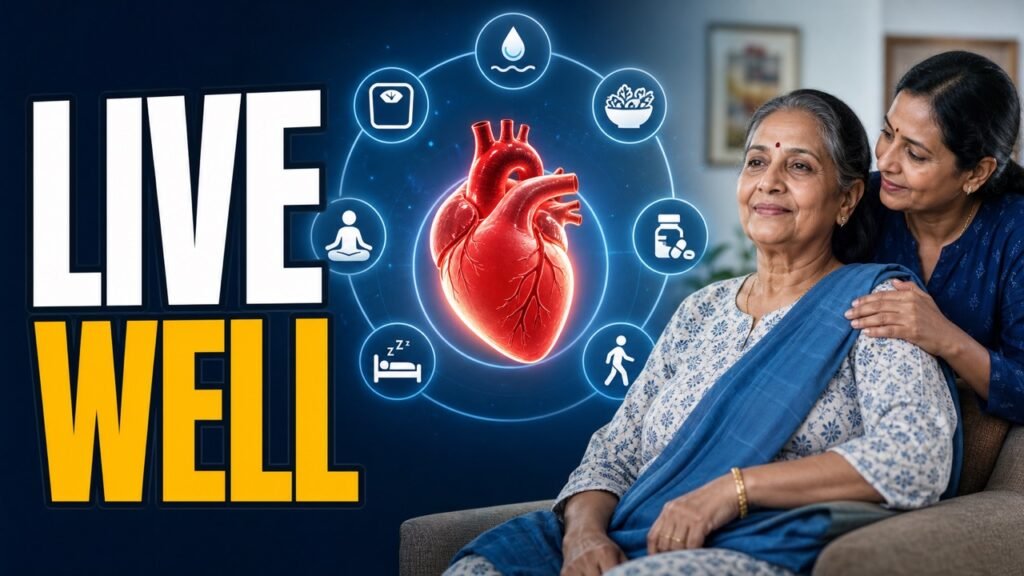
A practical guide to living with heart failure — symptoms, daily self-care, managing comorbidities like diabetes and kidney disease, and warning signs.
Why Heart Screening Can Save Your Life — A Guide to Preventive Heart Checks

Heart disease is often silent until it’s serious. Learn why regular heart screening saves lives, which checks matter, and when to start in India.
Understanding Heart Tests — ECG, Echo, CT Angiography and More
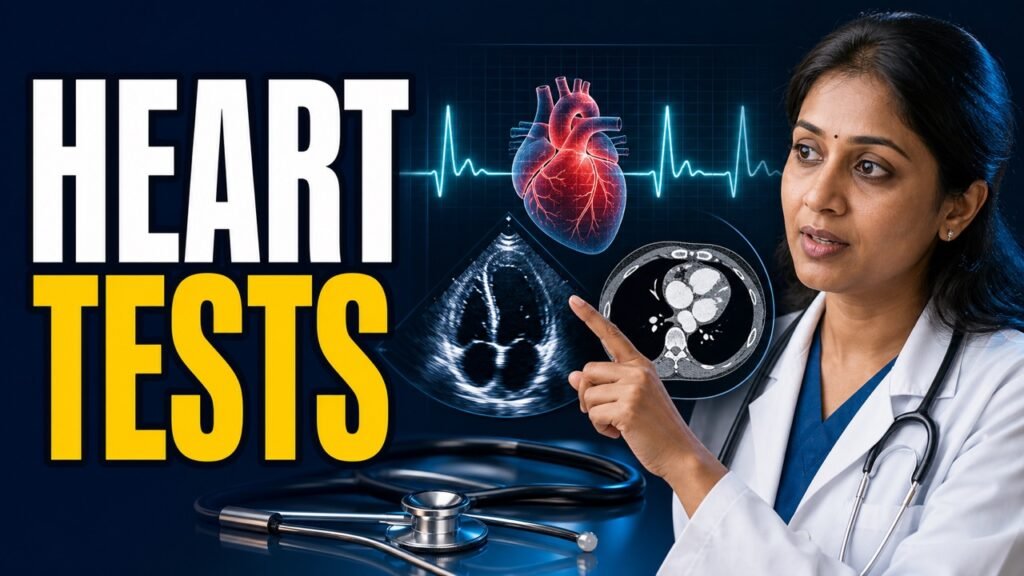
Confused by heart tests? A clear patient’s guide to ECG, echocardiogram, TMT, CT angiography and angiography — what they show and when they’re needed.
The Mind-Heart Connection — How Stress and Emotions Affect Your Heart
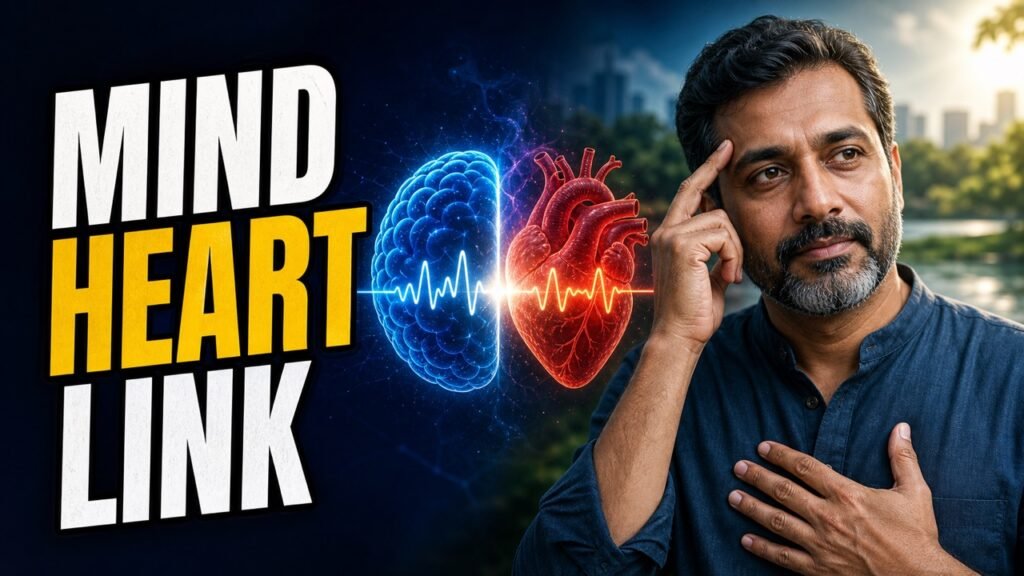
Your emotions and your heart are deeply linked. Learn how stress, anxiety and depression affect heart health — and how to protect both mind and heart.
How Your Weight Affects Your Heart — A Practical Guide to Healthy Weight
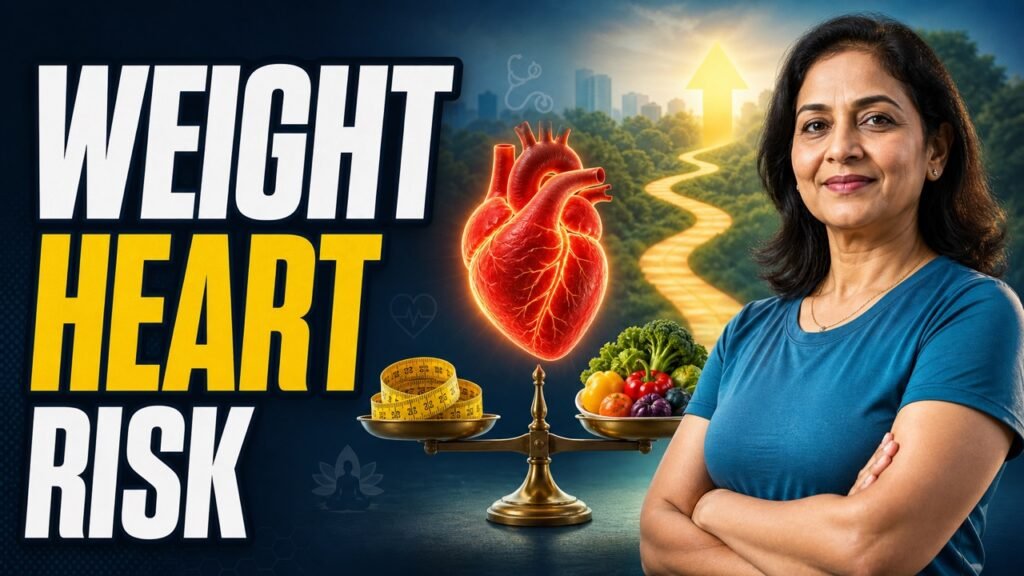
Excess weight, especially around the belly, strains the heart. Learn how weight affects heart health and realistic, sustainable ways to manage it.
Sudden Cardiac Arrest in Young Indians — The Hidden Role of Genetics

Why seemingly healthy young people suffer sudden cardiac arrest, the genetic heart conditions behind it, warning signs, and when to get screened.
The Prescription We Keep Forgetting: Why Cardiovascular Patients in India Need Social Prescribing
By Ram Khandelwal — Cardiac survivor, Founder & CEO, Heart Health India Foundation (HHIF) This is the case for social prescribing in India — and why, for heart patients, connection is as vital as any medicine. In December 2019, a cardiologist handed me a discharge summary, a strip of medicines, and a follow-up date. What that piece of paper did not contain — could not contain — was the harder half of my recovery. I was 33. Nobody prescribed me a way to manage the fear that arrived at 2 a.m. Nobody prescribed me a peer who had survived what I had survived. Nobody asked whether my wife, suddenly a full-time caregiver, was coping — though, as we would later write about the invisible weight caregivers carry, she was quietly checking, worrying, and absorbing it all alone. The clinical system had done its job brilliantly. The human system around the disease had been left entirely to chance. That gap is what social prescribing is built to close. And for a country carrying one-fifth of the world’s cardiovascular deaths, closing it is not a wellness luxury. It is a survival strategy. What is social prescribing? Social prescribing is a simple but radical idea: that a doctor, nurse, or community health worker can formally “prescribe” not just drugs but connection — referring a patient to non-clinical, community-based support that addresses the social roots of ill health. A link worker (sometimes called a community connector) sits between the clinic and the community, takes the time to understand what actually matters to a patient, and links them to services: peer support groups, supervised exercise, financial counselling, nutrition guidance, mental-health support, or simply companionship. For a chronic condition like cardiovascular disease, the most powerful of those community assets are not built by the health system at all — they are built by patients. Peer support, where a fellow cardiac patient becomes a mentor; patient and caregiver education delivered by people who have lived the diagnosis; and patient advocacy by the patients, for the patients — these are the substance of the social prescription, not its soft accompaniment. At HHIF, this is not theory but our daily work: Monthly Heart Circles and post-discharge follow-up calls, an “Ask An Expert” service connecting patients to cardiologists, and a Facebook and WhatsApp network of over 4,000 heart patients and caregivers — one of India’s largest online heart-support communities. The advocate with lived experience, whether a survivor or a caregiver, is not a volunteer doing charity. They are a node in the health system. When a country embeds them deliberately, it is not being kind; it is building a more resilient health system — one that can absorb a chronic-disease load no number of cardiologists could carry alone. The World Health Organization, in A Toolkit on How to Implement Social Prescribing, frames it precisely this way — a means of connecting patients to a range of non-clinical services in the community to improve their health and well-being, built on the evidence that social determinants such as income, social inclusion, housing, and education are decisive in health outcomes. WHO’s companion philosophy in Community Engagement: A Health Promotion Guide for Universal Health Coverage in the Hands of the People makes the deeper point: health is not something delivered to communities; it is something built with and by them. Social prescribing is the operational bridge between those two documents — it puts a slice of the health system back into the hands of the people. The questions that build understanding The best way to understand social prescribing is not to memorise a definition but to sit with the questions a thoughtful clinician — or a frightened patient — would actually ask. The answers, taken together, are the whole concept. If the medicine is correct, why isn’t the patient getting better? This is the question that starts everything. Across the world, an estimated 80% of a person’s health outcomes are shaped by factors outside the clinic — behaviour, environment, social and economic circumstances. You can stent an artery in ninety minutes; you cannot stent loneliness, poverty, or a sedentary life with a catheter. For cardiovascular disease, where recovery is measured in years of adherence rather than a single procedure, the non-clinical determinants are the disease management. Social prescribing exists because we finally admitted that the prescription pad was only treating half the patient. So what is actually being “prescribed”? Not a drug — a connection. At its heart sit three moving parts: someone who notices the non-medical need (a clinician or health worker), someone who navigates it (a link worker or community connector), and somewhere to go (a community asset — a peer group, an exercise programme, financial counselling, a listening ear). The prescription is the deliberate act of writing that connection into the patient’s care, rather than leaving them to find it by luck. Who is this for, and who does the prescribing? It is for patients whose needs are chronic, recurring, or socially complex — and cardiac patients sit squarely in that group. Crucially, the prescriber need not be a cardiologist. A GP can do it, an ASHA or ANM worker can do it, a trained survivor can do it. And the community asset they prescribe into is increasingly staffed by patients themselves — fellow cardiac patients serving as mentors, caregivers educating newer caregivers, lived-experience advocates translating a diagnosis into a survivable daily routine. The connectors need not be doctors at all. That is precisely why social prescribing scales in low-resource settings where specialists are scarce but community is abundant: it turns the people who already carry the disease into part of the workforce that manages it. Where and when does it happen? In the community — primary health centres, urban health posts, residential welfare associations, places of worship, workplaces, and increasingly on the phone in a patient’s hand. WHO is explicit that there is no single blueprint; the scheme is shaped to local context. And it happens precisely at the
Healing Hearts with Yoga — Yoga-Based Cardiac Rehabilitation in India
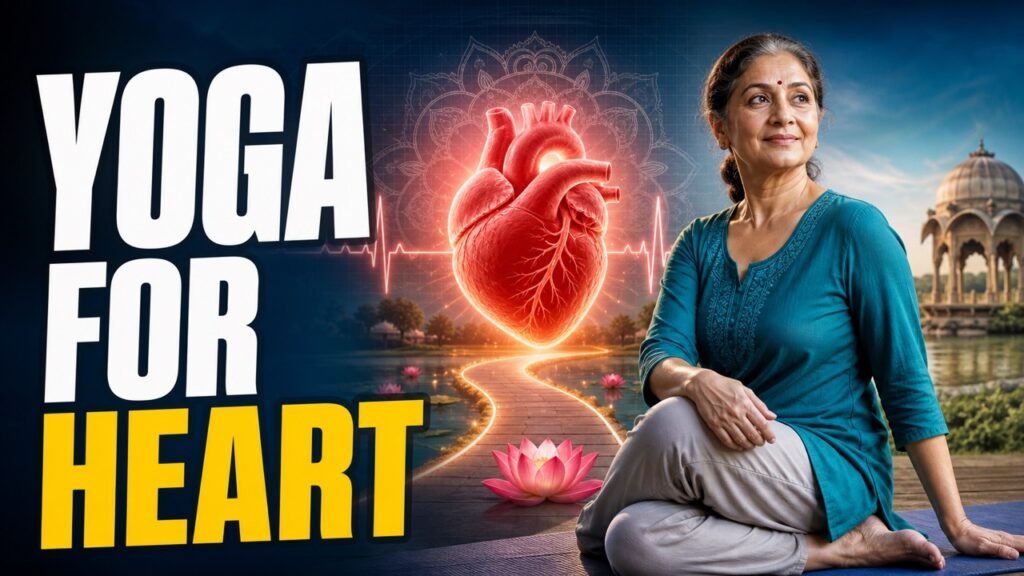
How yoga-based cardiac rehabilitation supports heart recovery in India — gentle asanas, breathing and meditation, plus safety tips for heart patients.