Why emotional health is a part of preventive heart care

We often separate emotional health from physical health, as if the mind and heart live in different rooms.But biologically, they are deeply intertwined.Your emotional state directly influences blood pressure, inflammation, metabolism, and the nervous system — the pillars of cardiovascular health. Here’s what actually happens inside. 1. Emotional stress activates the heart’s “overdrive mode” Worry, fear, anger, and unresolved tension activate the sympathetic nervous system.This raises heart rate, tightens blood vessels, and increases BP.When this state becomes chronic, it creates continuous mechanical stress on the arteries. 2. Emotional strain elevates inflammatory markers Persistent emotional distress increases cytokines and inflammation.Inflammation fuels plaque formation, accelerates arterial stiffness, and raises the risk of cardiac events — even in otherwise healthy individuals. 3. Emotions influence metabolism and eating patterns Stress eating, skipped meals, late-night snacking, and cravings are emotional responses.These behaviours raise glucose, triglycerides, and visceral fat — three strong predictors of heart disease. 4. Emotional fatigue disrupts sleep rhythms Poor sleep prevents the heart from achieving its nightly BP dip and repair cycle.Sleep disruption alone raises long-term cardiovascular risk. 5. Emotional well-being improves adherence People with better emotional health: take medicines on time exercise consistently eat mindfully attend follow-upsConsistency — not perfection — is what protects the heart. The principle The heart doesn’t distinguish between emotional and physical stress.To prevent heart disease, we must care for both:the numbers and the nervous system,the arteries and the emotions,the body and the mind. Emotional health is heart care.
Why regular heart checkups are necessary even without symptoms

One of the most common misconceptions in India is:“If I feel fine, why should I get tested?”But heart disease doesn’t begin with pain — it begins with silent changes inside arteries, metabolism, and blood pressure.Symptoms arrive late.Checkups catch what symptoms cannot. Here’s what actually happens inside the body long before you “feel” anything. 1. BP, cholesterol, and sugar rise silently High blood pressure, high LDL, prediabetes, and high triglycerides don’t cause discomfort in the early stages.You can feel energetic, fit, productive — and still be in a risk zone without realizing it. Your body compensates until it can’t. 2. Arteries start changing decades before symptoms Plaque formation can begin in the late teens and twenties.These early deposits don’t hurt.They quietly thicken artery walls over years.A simple lipid test can detect this risk long before it becomes dangerous. 3. Genetics don’t show up in how you feel Conditions like high Lp(a), familial high LDL, or early hypertension run silently in families.You can be lean, active, and symptom-free — and still have elevated genetic risks that only a test can reveal. 4. Symptoms appear only when the system is under stress Climbing stairs fast, a heavy meal, sudden emotional stress — these are moments where hidden disease reveals itself.Checkups prevent you from discovering risk in crisis. 5. Early detection changes everything With early screening, small lifestyle changes or medications stabilize plaque, reduce BP, and prevent future heart events.Early clarity helps avoid late-stage emergencies. The principle Don’t wait for the body to signal danger.Checkups are not fear — they are precision, prevention, and protection.
Most common lifestyle habits heart patients ignore
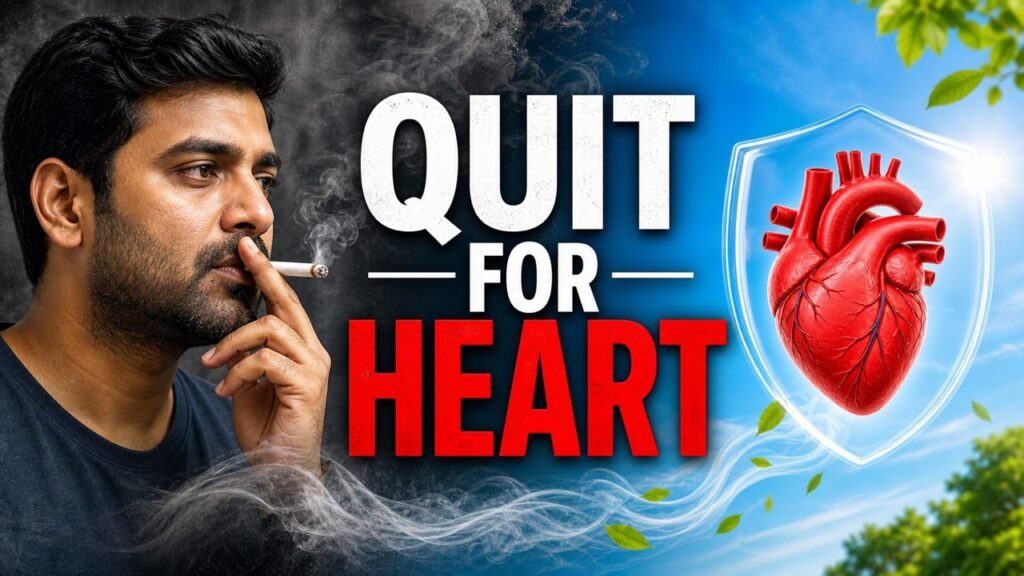
After a heart event, most people focus on medications and reports.But in every community session, we see the same pattern: it’s the everyday habits—the small, silent behaviours—that shape long-term outcomes far more than people realise. Here’s what heart patients commonly overlook, and why these habits matter physiologically. 1. “Small” salty snacks Namkeen, farsan, chips, pickles, chutneys, bread, biscuits.Most patients underestimate how these foods spike sodium levels.This increases blood volume, raises BP, and makes the heart work harder even on calm days. 2. Irregular medication timing Skipping doses or taking medicines at different times disrupts blood pressure, cholesterol control, and anti-clot protection.Heart medications work on rhythm — not randomness. 3. Long periods of sitting Even with morning walks, sitting for 6–8 hours increases stiffness in arteries, raises post-meal glucose spikes, and slows circulation in the legs.Movement frequency matters more than workout intensity. 4. Stress that goes unaddressed Worrying, overthinking BP readings, work pressure, family stress — all elevate cortisol.Cortisol narrows blood vessels, increases BP, and disrupts sleep, creating a feedback loop the heart feels immediately. 5. “Flexible” diet routines Weekend overeating, restaurant meals, and late dinners undo weekday discipline.The heart doesn’t reset on Monday — it responds to the total load. 6. Poor sleep hygiene Late nights and inconsistent patterns prevent the heart from getting its nightly BP dip and inflammation reset. The correction Stable routines. Regular meals. Consistent medicines. Movement every hour.Heart recovery is built on everyday discipline, not occasional effort.
What counts as heart-healthy physical activity

Heart-healthy physical activity isn’t defined by sweating, speed, or exhaustion.It’s defined by how consistently you elevate your heart rate, how safely your body adapts, and how much strain you don’t place on your cardiovascular system. Here’s the science behind what truly benefits the heart. 1. Activities that raise heart rate moderately Your heart thrives on steady, predictable increases in workload.Moderate-intensity movement improves endothelial function, enhances oxygen delivery, reduces BP, and stabilizes blood sugar.Examples: Brisk walking Light jogging Cycling Swimming Slow-to-moderate yoga flows Low-impact aerobics If you can talk but not sing during the activity — you’re at the right intensity. 2. Activities that use large muscle groups Movements involving legs, core, and back increase circulation, strengthen vascular responses, and boost cardiac efficiency.Even simple routines like stair climbing or fast walking activate these systems deeply. 3. Strength training with controlled breathing Muscle mass improves glucose metabolism, reduces visceral fat, and lowers long-term cardiac workload.Twice a week of: Bodyweight exercises Light dumbbells Resistance bandsis enough to improve metabolic and heart markers. 4. Low-impact, joint-friendly movements Heart health improves most when movement is sustainable — not painful.Walking, elliptical, swimming, and cycling reduce injury risk and maintain long-term consistency. 5. Non-exercise activity matters too Post-meal walks, taking stairs, standing breaks, and household chores maintain circulation and glucose control.These micro-movements prevent the vascular stiffness caused by long sitting hours. The principle Heart-healthy activity = regular, moderate, sustainable movement that your body can repeat daily — not heroic workouts once a week.
What a basic heart risk screening includes

Most people think a “heart checkup” is complicated or expensive.In reality, a basic screening is simple, accessible, and built to detect hidden risks years before symptoms appear.It evaluates the systems that silently influence plaque formation, blood pressure, metabolism, and long-term cardiac load. Here’s what a complete, meaningful screening should include. 1. Blood Pressure (Resting + Repeat Reading) BP reveals how hard your heart is pushing against your blood vessels.Even mildly elevated BP damages the arterial lining, setting the stage for plaque formation. 2. Lipid Profile (LDL, HDL, Total Cholesterol, Triglycerides) This is the core of preventive cardiology. LDL shows plaque-building potential. HDL shows plaque-clearing capacity. Triglycerides reflect lifestyle and metabolic load.Even active, fit people can have elevated numbers, especially LDL or triglycerides. 3. Lp(a) — the genetic risk marker Lp(a) doesn’t change with diet or exercise.It’s inherited and dramatically increases plaque buildup.Every adult should test it once in life, especially in India where levels are often higher. 4. Fasting glucose or HbA1c These measure how efficiently your body handles sugar.Prediabetes and insulin resistance begin years before symptoms — and directly accelerate heart disease. 5. Waist circumference or waist–hip ratio Visceral fat is a stronger predictor of heart disease than weight or BMI.It drives inflammation, BP spikes, and metabolic dysfunction. 6. ECG (Resting) A simple, quick test that detects rhythm issues, silent changes, or electrical strain on the heart.Especially important for people over 30–35. The principle A basic heart screening isn’t just a test — it’s a map.It shows where you stand today, and what needs attention before anything becomes dangerous.
Why many people think they’re healthy until they do a check-up

In so many community meetings, we meet people who say,“I feel fine… why would I need tests?”And yet their reports show high LDL, rising BP, prediabetes, or early arterial changes. This gap between how we feel and what’s actually happening inside the body is one of the biggest reasons heart disease goes undetected for years. Here’s why it happens. 1. Most cardiac risk factors are silent High cholesterol, high BP, insulin resistance, early plaque formation — none of these create symptoms in the beginning.The body quietly compensates, adjusting vessel tone and heart workload without sending alarms. By the time symptoms appear, the disease has usually progressed. 2. Modern lifestyles mask early warning signs Fatigue, mild breathlessness, poor sleep, acidity, headaches — symptoms people attribute to work stress are often early metabolic signals.We normalize them instead of investigating. 3. The body adapts until it can’t Blood vessels stiffen slowly.LDL accumulates silently.Glucose rises gradually.These changes don’t hurt, so we assume everything is “normal.” But biological damage continues underneath that silence. 4. Youth gives a false sense of safety In India, many people in their 20s, 30s and 40s believe heart disease is “old age problem.”But the first plaque deposits can begin in adolescence.By the time someone feels unwell, the process has already been unfolding for years. 5. Symptoms are a late-stage event Chest pain, breathlessness, palpitations — these are crisis signals, not early indicators.Waiting for symptoms is like waiting for a fire alarm instead of checking the wiring. The correction Annual screening.Simple blood tests.BP monitoring.Early detection.A check-up is not fear — it is clarity.And clarity is what prevents crises.
How early detection saves lives

Heart disease rarely begins with pain, breathlessness, or dramatic symptoms.It begins quietly — with small changes in blood pressure, cholesterol, sugar, and arterial flexibility.By the time the body sends a clear signal, the underlying process is usually advanced. Early detection doesn’t just find disease sooner — it changes the entire trajectory of a person’s heart health. Here’s how. 1. It catches risk before damage begins High LDL, high BP, rising triglycerides, and insulin resistance can be reversed only when identified early.If plaque formation is in its early stages, the arteries can still recover.Early detection shifts the body back toward safety before structural changes set in. 2. It prevents emergencies by stabilizing plaque Simple treatments — lifestyle changes, statins, BP control, or managing sugar — can stabilize vulnerable plaque.Stable plaque doesn’t rupture.Unstable plaque causes heart attacks. Early detection turns high-risk plaque into low-risk plaque. 3. It reduces the intensity of treatment When caught early, small lifestyle adjustments or mild medications are enough.When caught late, treatment becomes more aggressive — angioplasty, stents, or long-term medication dependence. Early clarity → lighter intervention → better outcomes. 4. It gives time to correct the metabolic environment Metabolically healthy arteries heal faster.Early detection gives months or years to improve: sleep movement stress diet blood chemistryThis rewires the entire cardiovascular system. 5. It saves lives by removing “surprise” from heart disease Heart attacks feel sudden.They’re not.They are the result of years of unnoticed risk.Early detection turns the unknown into the understood — and the preventable. The principle You can’t manage what you don’t measure.Early detection doesn’t just add years to life — it protects the years you’re living right now.
Why caregivers also need emotional support
When someone experiences a heart event, families shift into action mode — managing hospitals, medicines, routines, diet, and follow-ups.But behind this strength is an invisible truth: caregivers carry a psychological load that’s rarely acknowledged, yet deeply impactful. Caregiver well-being is not separate from patient recovery — it is integral to it.Here’s why caregivers need just as much emotional support as patients. 1. Caregivers absorb the fear in silence The shock of a heart event doesn’t affect only the patient.Caregivers experience their own fear of recurrence, uncertainty, and responsibility — but they rarely express it.Unspoken fear becomes chronic stress, affecting their own heart and mental health. 2. High emotional vigilance takes a toll Caregivers constantly monitor: BP readings symptoms medication timing diet choices sleep patternsThis hypervigilance raises cortisol, disrupts sleep, and increases anxiety — without them realizing it. 3. They often put their needs last Meals are skipped, sleep is irregular, personal time disappears.In this survival mode, caregivers gradually experience burnout, irritability, and emotional exhaustion. A drained caregiver cannot offer the stability the patient needs. 4. Emotional support improves decision-making A calm, supported caregiver is better able to handle medical instructions, emergencies, follow-ups, and lifestyle planning.Their clarity directly impacts the patient’s recovery journey. 5. Caregiving is a long-term journey, not a short-term crisis Recovery from a heart event is not a moment — it’s a year-long behavioural change process.Caregivers need sustainable emotional strength to guide the family through it. The principle A supported caregiver creates a supported patient.Caring for the caregiver is caring for the heart patient.
Why walking is underestimated as a powerful heart exercise
Walking is the most accessible, safest, and physiologically efficient heart exercise we have — yet it’s often dismissed as “too basic” or “not enough.”But when you look at what happens inside the cardiovascular system, walking delivers many of the same benefits as structured workouts, without the risks that come with high-intensity routines. Here’s what makes walking so powerful. 1. Walking improves endothelial function Your blood vessels are lined with endothelial cells that control dilation.Regular brisk walking increases nitric oxide production, helping arteries relax and improving circulation.Better vessel flexibility = lower BP and smoother heart workload. 2. It stabilizes blood pressure naturally Walking activates large muscle groups at a moderate, steady pace.This lowers systemic resistance, reduces stiffness, and gives immediate and long-term BP benefits — often seen within days. 3. It lowers LDL and triglycerides gently but effectively Consistent walking helps the body use fat for fuel, reducing circulating triglycerides and improving lipid profiles.Unlike high-intensity workouts, it does this without cortisol spikes. 4. It improves insulin sensitivity A 15–20 minute walk after meals reduces glucose spikes, improves insulin response, and protects metabolic health — a key factor in heart disease prevention. 5. It supports long-term consistency Walking is injury-free, joint-friendly, and doesn’t require motivation, equipment, or a gym.This makes it sustainable — and consistency is what protects the heart, not occasional bursts of effort. 6. It reduces stress and balances the nervous system Walking lowers cortisol, improves mood, and calms the sympathetic nervous system — reducing strain on the heart’s electrical and pressure systems. The truth Walking is not “light exercise.”It is structured cardiovascular therapy — simple, repeatable, and profoundly protective.
How social support improves mental well-being
We often think of heart health in terms of food, exercise, and tests.But one of the strongest protective factors sits quietly in the background: human connection.Social support doesn’t just comfort the mind — it transforms the body’s stress response and directly impacts cardiovascular health. Here’s what actually happens inside. 1. Supportive relationships reduce cortisol When you feel seen, heard, or understood, your brain releases oxytocin — a hormone that counteracts cortisol.Lower cortisol means lower BP, reduced inflammation, and less strain on the heart. 2. Social connection stabilizes the nervous system Conversations, shared meals, and emotional presence activate the parasympathetic system.This brings the body out of “fight or flight,” slowing heart rate and improving rhythm stability. 3. It buffers the impact of stressful events People with strong support systems recover faster from emotional shocks, loss, and daily pressures.This reduces the duration of stress spikes and prevents long-term wear on vessels and the heart. 4. Support encourages healthier behaviours Walking with someone, cooking together, or having a partner remind you about medications drastically improves consistency — the key to long-term prevention. 5. Emotional sharing reduces internal load Talking through fears, struggles, or confusion offloads psychological burden.This reduces rumination, anxiety, and the internal tension that silently raises heart rate and BP. The principle Human connection is medicine.It calms the mind, protects the heart, and gives people strength to sustain healthy habits.Support is not optional — it’s part of preventive cardiology.